

A UNC Greensboro counseling expert explains the late-summer stress, nostalgia, and ‘sunshine guilt’ — and how to make the transition to fall easier.
It’s late August. The sun is shining, the weather is hot and summery, and occasional late-afternoon showers take the edge off the heat just in time for sunset. It’s glorious. So why do you feel so down?

If you’re affected by this late-summer malaise, you may have the August Blues.
It happens to a lot of people. A long summer of hot weather and high activity can leave us feeling physically drained, contributing to low energy or even irritability. Then the end of summer suddenly comes into view. Vacations and cookouts give way to school schedules, work, routines, and the approach of autumn — bringing with them a sense that something enjoyable is ending. For some, the last days of August can feel like a week of Sunday nights.
“At the end of summer, we’re experiencing this emotional shift,” says Dr. Christian Chan, associate professor in UNC Greensboro’s Department of Counseling and Educational Development. “Maybe you’re feeling a little bit down. Some people might be experiencing sadness; they might also encounter some anxiety, or nervousness, or worry. All of that can feel like stress. And in late summer, that can pair with this idea of guilt or nostalgia.”
‘Sunshine Guilt’
Some liken the feeling to “sunshine guilt” — the regret that comes from staying indoors on a beautiful, sunny day. By late August, that feeling can expand into something broader: the sense that you haven’t fully experienced summer.
Did you make the most of your summer? Maybe not. A recent survey by Talker Research revealed that 61% of Americans had not yet taken a summer vacation. For some, the end of August can bring the realization that summer didn’t include the trips, rest, or experiences they had hoped for.
It’s a kind of grief — looking back on the past couple of months and feeling you didn’t accomplish what you hoped, or didn’t take the trips or breaks you wanted. Maybe you’re tempted to cram your lost summer into the last few weeks. Or maybe you resign yourself to getting back on the grind. Both of these options, Chan says, only contribute to the stress.
“In August, many of us realize we have not taken the time to rest or to enjoy our summer,” Chan says. “That can add a lot to the stress we’re already feeling.”
How to Handle the August Blues
Chan recommends easing into the transition into autumn, even embracing it. “We don’t have to do everything all at once,” he says. “Take the last days of summer in stride. Prioritize what you can take care of right now — maybe one or two items on your list, or you can make plans for early fall.”
He says that it’s possible to carry over our best summertime experiences into the other seasons, building rituals that can last all year long. The beach is still beautiful in October. And gathering with friends and family is not confined to summertime.
Establish a consistent social schedule through the cooler months to carry the summer vibe throughout the year. Set boundaries with work in the same way you might when your summer weeks are filled with plans. And remember that the other seasons offer plenty of opportunities for fun and relaxation, too.
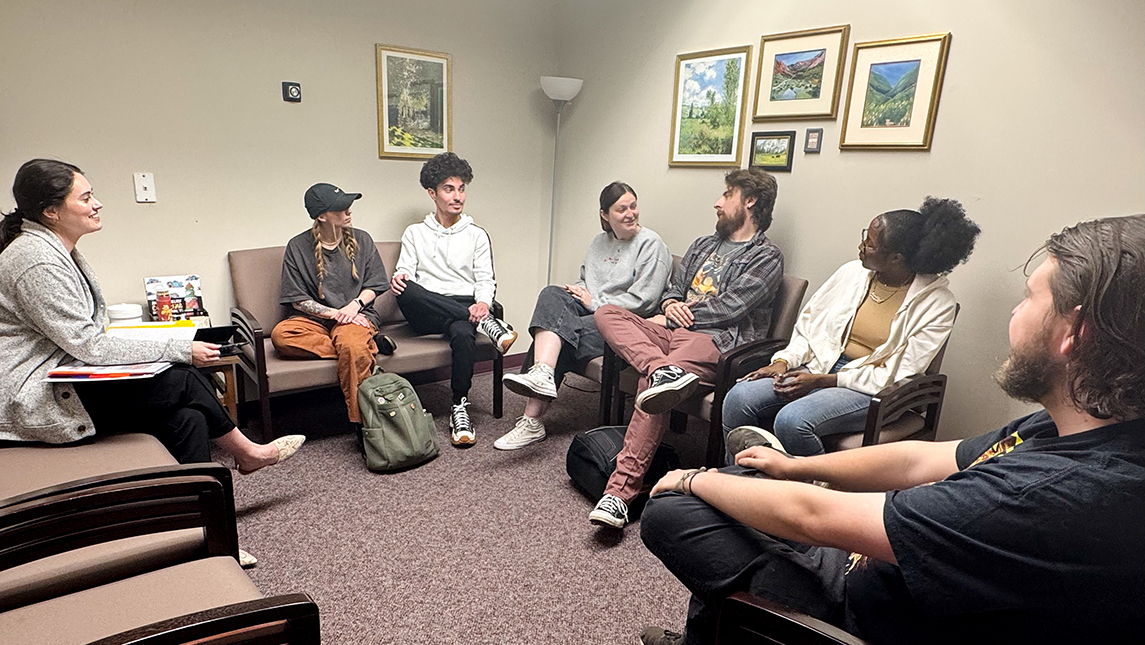
For many people, the August Blues are simply part of the emotional transition from summer to fall. If sadness, anxiety, or stress persists or begins interfering with daily life, talking with a counselor may help. UNCG’s Nicholas A. Vacc Counseling and Consulting Clinic offers low-cost counseling services to adults, children, couples, and families in the community.
The UNCG Counseling Program was ranked No. 4 in the nation and No. 1 in North Carolina by U.S. News & World Report.
And remember: There’s always next summer.
Story by Brian Clarey, University Communications
Photos by Sean Norona, University Communications
looking for someone to talk to?